A child’s ability to see clearly plays a vital role in their learning, confidence, and overall development. Yet, many vision problems in children go unnoticed for years simply because early screening is delayed or unavailable. Understanding the importance of early eye screening in children is essential to protecting their eyesight and supporting their future.
Vision issues do not always present obvious symptoms. Children often adapt silently, unaware that what they see is not normal. This makes regular eye screening not just helpful, but necessary.
Why Early Eye Screening Matters
The early years of a child’s life are critical for visual development. Conditions such as refractive errors, lazy eye, squint, and other common eye problems can affect how a child reads, writes, and interacts with the world.
When eye problems are detected early, treatment is often simple and highly effective. Delayed diagnosis, however, can lead to permanent vision impairment and learning challenges that follow a child into adulthood.
Common Vision Problems in Children
Many children suffer from eye conditions that can easily be corrected if identified in time, including:
- Difficulty seeing the blackboard or reading books
- Frequent headaches or eye strain
- Squinting or tilting the head to see clearly
- Poor concentration in school
- Red or watery eyes
Without screening, these issues are often mistaken for behavioral or learning difficulties rather than vision problems.
Impact of Vision Problems on Learning
Clear vision is directly linked to academic performance. A child who cannot see properly may struggle to keep up in class, lose interest in studies, or experience low self-confidence. Teachers and parents may not always realize that vision is the root cause.
Early eye screening helps ensure that children can fully participate in classroom activities, improve their focus, and perform better academically.
The Role of School Eye Screening Programs
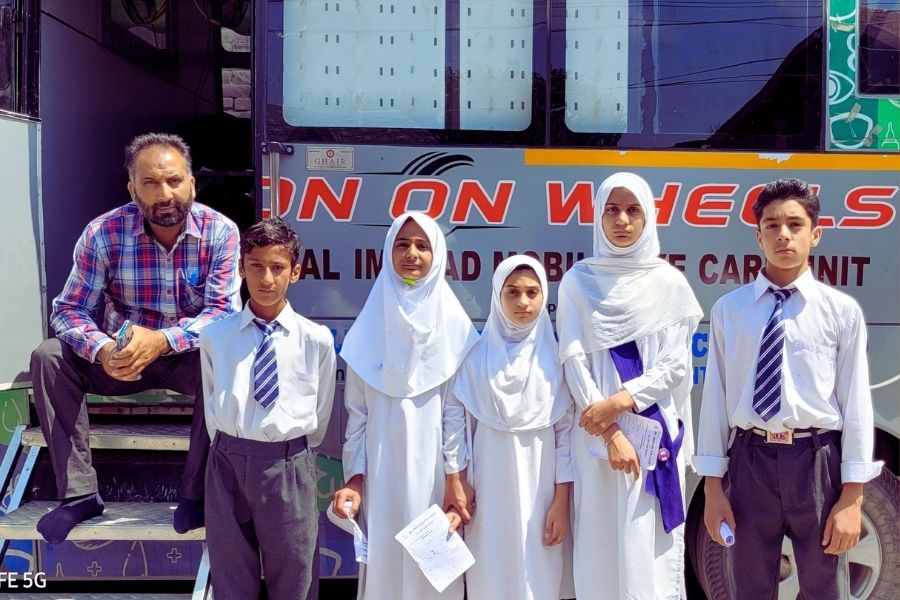
School-based eye screening programs play a crucial role in reaching children who may not have access to regular healthcare. By conducting eye checkups in government schools, orphanages, and madrasas, these programs ensure that no child is left behind due to financial or social barriers.
Such initiatives help identify vision issues early and connect children with spectacles, treatment, or referrals when needed.
How Early Screening Prevents Long-Term Vision Loss
Some eye conditions worsen with time if left untreated. Early detection allows timely intervention, preventing complications that could otherwise result in permanent vision loss. Simple measures such as corrective glasses or basic treatment can significantly improve a child’s quality of life.
Early screening is not just about eyesight. It is about giving children the opportunity to learn, grow, and thrive without limitations.
Our Commitment to Children’s Eye Health
At Al-Imdaad Trust, we believe that every child deserves the chance to see clearly and learn confidently. Through regular eye screening programs and community outreach, we work to identify vision problems early and support children from underserved communities with the care they need.
By prioritizing early eye screening, we can protect young eyes today and build a healthier, brighter future for tomorrow.