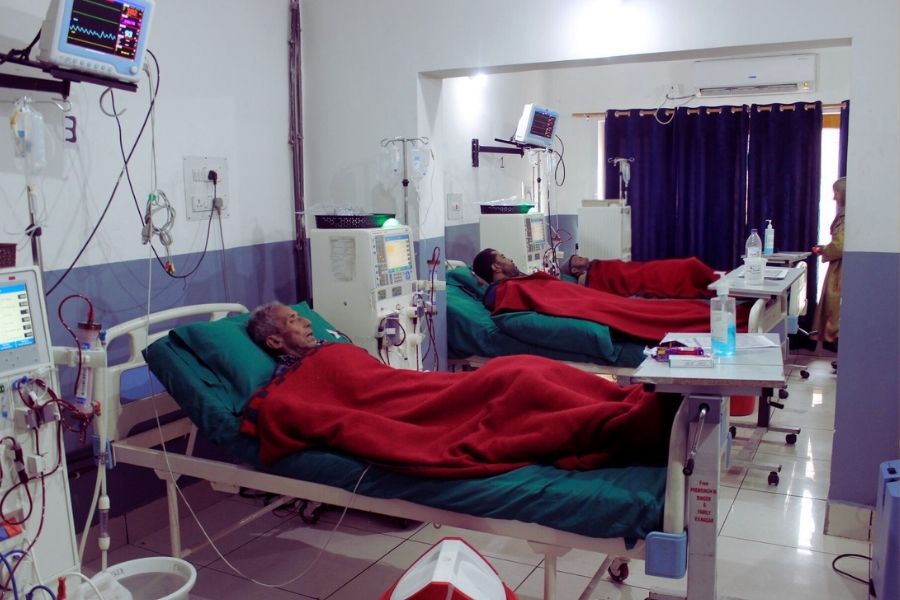
Understanding Chronic Kidney Disease
Chronic Kidney Disease (CKD) is a long-term medical condition in which the kidneys gradually lose their ability to function properly. The kidneys play a vital role in filtering waste, excess fluids, and toxins from the blood. When kidney function declines, harmful substances begin to build up in the body, affecting overall health and quality of life.
CKD often develops silently over months or even years, making early awareness and screening extremely important.
What Causes Chronic Kidney Disease?
Several medical conditions and lifestyle factors can contribute to the development of CKD, including:
- Diabetes is the leading cause of kidney disease worldwide
- High blood pressure that damages the kidney blood vessels over time
- Recurrent kidney infections or urinary tract problems
- Genetic kidney disorders
- Long-term use of certain painkillers or medications
In many cases, CKD is preventable or manageable if detected early.
Common Symptoms of CKD
In the early stages, Chronic Kidney Disease may not cause noticeable symptoms. As the condition progresses, individuals may experience:
- Persistent fatigue and weakness
- Swelling in the feet, ankles, or face
- Reduced urine output or changes in urination patterns
- Loss of appetite and nausea
- Difficulty concentrating
- Shortness of breath in advanced stages
These symptoms often appear when kidney damage has already progressed, which is why routine health checkups are essential.
Stages of Chronic Kidney Disease
CKD is classified into five stages based on kidney function.
- Stages 1–3: Mild to moderate kidney damage, often manageable with medication and lifestyle changes
- Stages 4–5: Severe kidney damage, where dialysis or kidney transplantation becomes necessary
End-stage renal disease (Stage 5) requires lifelong dialysis or a kidney transplant to sustain life.
Treatment and Management Options
While Chronic Kidney Disease cannot always be reversed, proper management can slow its progression and improve quality of life. Treatment may include:
- Controlling blood pressure and blood sugar levels
- Dietary modifications and fluid management
- Medications to reduce strain on the kidneys
- Dialysis treatment is used when kidney function becomes critically low
Access to timely and affordable dialysis is lifesaving for patients with advanced CKD.
The Importance of Early Detection and Support
Early diagnosis of Chronic Kidney Disease allows patients to take preventive measures before irreversible damage occurs. Regular health screenings, especially for people with diabetes or hypertension, can significantly reduce complications.
For patients already facing kidney failure, compassionate medical support, dialysis care, and financial assistance play a crucial role in survival and dignity.
Our Commitment to Kidney Care
At Al-Imdaad Trust, we are committed to supporting individuals affected by Chronic Kidney Disease through accessible dialysis services, medical aid, and patient support programs. Our goal is to ensure that no patient is denied life-saving treatment due to financial hardship.